top of page

Eurocentric Influences and Globalization
How Western beauty ideals became the world’s dominant standard.
For centuries, a narrow beauty ideal: fair skin, straight hair, slim bodies, small noses, and specific facial features has been promoted as the universal definition of beauty. This Eurocentric standard did not spread by chance. It was built and exported through colonialism, slavery, Hollywood, global advertising, and is now supercharged by social media. What began as a regional preference has become a powerful global pressure that affects women of all cultures today.
The Historical Roots
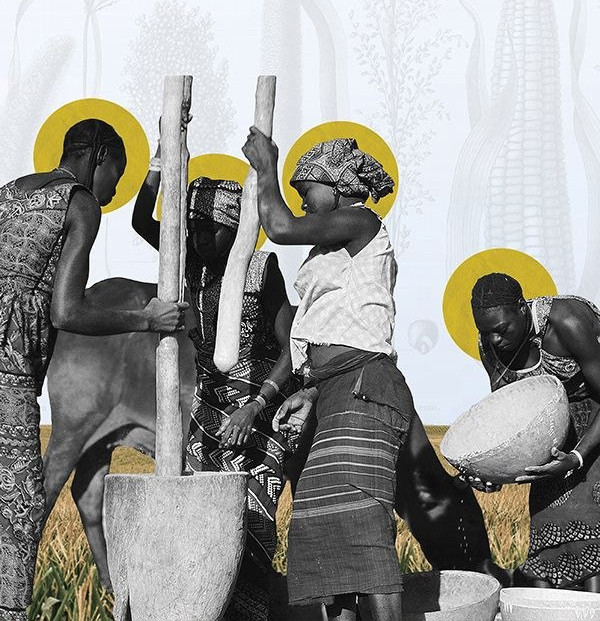
European colonialism and the transatlantic slave trade laid the foundation. Colonizers not only took control of lands but also imposed their cultural values. In Africa, Asia, and the Americas, lighter skin and European facial features were associated with superiority, status, and civilization. Darker skin and local features were often portrayed as inferior or unattractive.
These ideas created deep-rooted colorism that continued long after independence. Whiteness became linked to beauty, opportunity, and progress in many post-colonial societies.
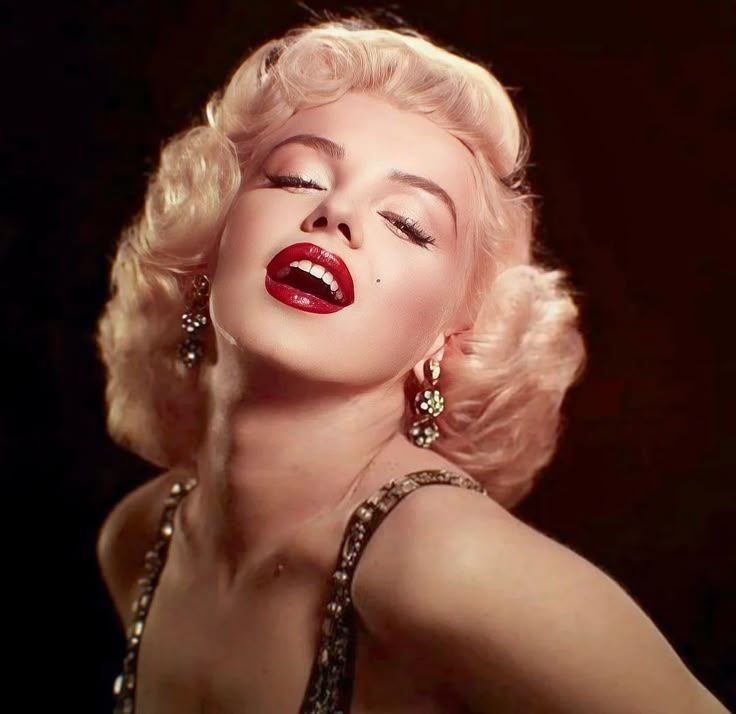
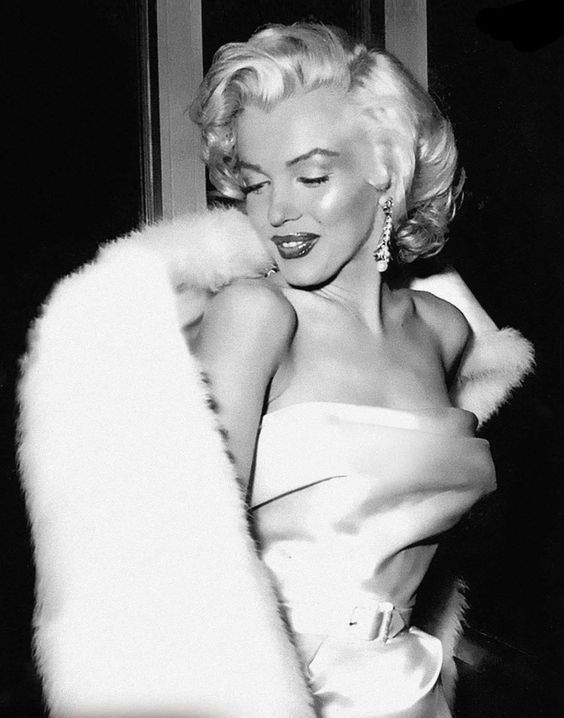
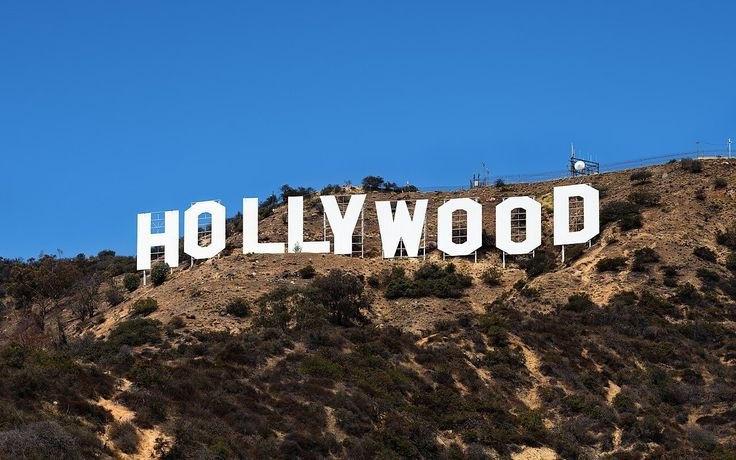
In the 20th century, Western media took these ideals global. Hollywood movies, fashion
magazines such as Vogue and Elle, and international advertising campaigns presented thin,
light-skinned women with Eurocentric features as the ultimate standard of glamour and success.
The global beauty industry quickly followed by selling “solutions”:
-Skin lightening creams
-Hair relaxers and straighteners
-Cosmetic procedures
Advertising consistently pushed the message that the closer you are to Eurocentric features,
the more beautiful and valuable you are.
Hollywood, Magazines and the Beauty Industry
Social Media: The New Global Accelerator
Today, platforms like Instagram and TikTok have dramatically intensified this influence.
Filters, photo-editing apps, and algorithms actively promote images featuring slim waists,
bright skin, and Eurocentric facial features. Young women worldwide are now exposed to
hundreds of perfectly edited photos every day, making the Western ideal feel like the only
desirable standard.

The Worldwide Impact
This globalized beauty standard has real consequences across continents:
1. Skin Bleaching: Extremely common in parts of Africa and Asia. In Nigeria, usage
rates reach as high as 77%, with many women using dangerous products despite
serious health risks.
2. Hair Straightening: Millions of Black women still use chemical relaxers or
extensions because natural afro-textured hair continues to be stigmatized.
3. Plastic Surgery Boom: Countries like South Korea, Brazil, and Mexico lead the
world in procedures such as rhinoplasty (nose jobs), double eyelid surgery, and body contouring.
These trends show how one narrow standard of beauty has been successfully exported and internalized around the world.

The dominance of Eurocentric beauty standards is the result of centuries of power, media influence, and modern capitalism. Understanding this history helps us see that today’s beauty
pressures are not natural they are constructed.
By recognizing how these ideals spread, we can begin to challenge them and create space for diverse, authentic beauty across all cultures.
From Colonial Past to Digital Present
bottom of page