.jpeg)
Comparative Analysis Across Groups
This section compares beauty standards among different racial and ethnic groups, such as African/Black women, East and South Asian women, Latinx/Hispanic women, and Indigenous women. It examines traditional beauty ideals within each culture and shows how Eurocentric beauty standards influence these ideals today. This section also highlights common issues such as colorism, hair discrimination, body image pressure, and cultural erasure, while showing both the similarities and differences in women’s experiences across the groups that are mentioned in the beginning.
African / Black Women
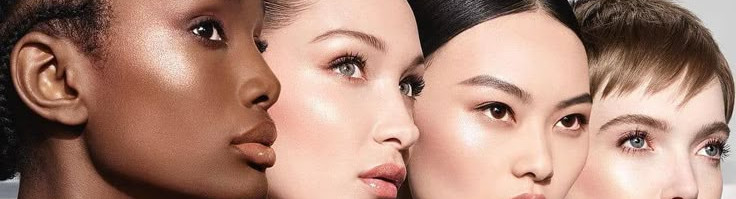
African and Black women traditionally celebrate natural hairstyles, darker skin tones, and fuller body shapes in many cultures. These features are often seen as beautiful and connected to their cultural identity.
However, Eurocentric beauty standards often push them towards straighter hair, lighter skin, and European facial features. Because of this, many face serious challenges like colorism (discrimination based on skin tone) and hair discrimination.



East and South Asian Women
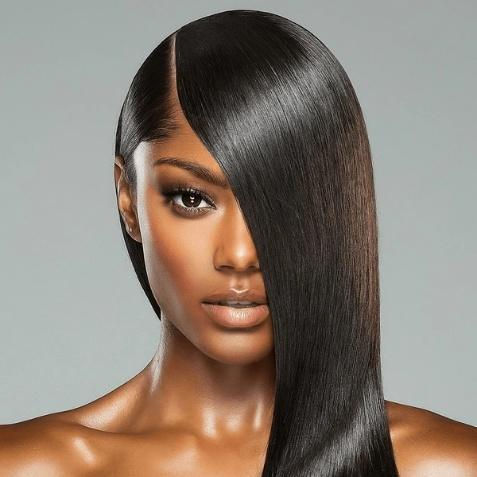
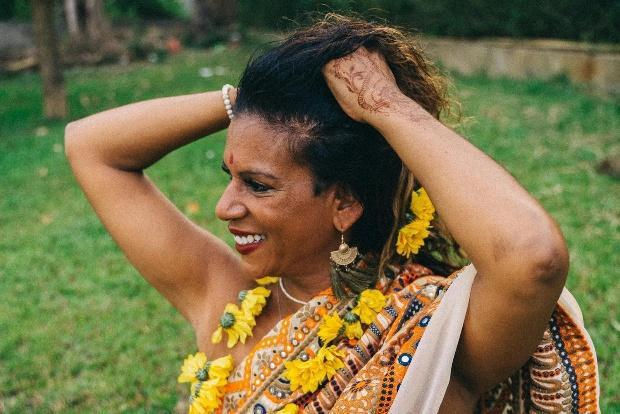
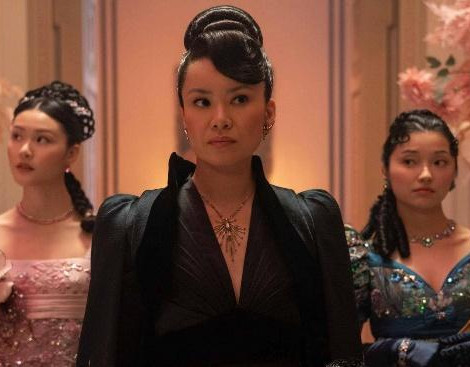
In East and South Asian cultures, traditional beauty ideals usually include pale skin, a delicate appearance, and a slim body. These features have been valued for a long time.
Today, strong Eurocentric and Western beauty norms create pressure on women to follow Western body ideals. This has led to serious challenges such as high pressure for cosmetic surgery and a widespread skin whitening culture.

Latinx / Hispanic Women
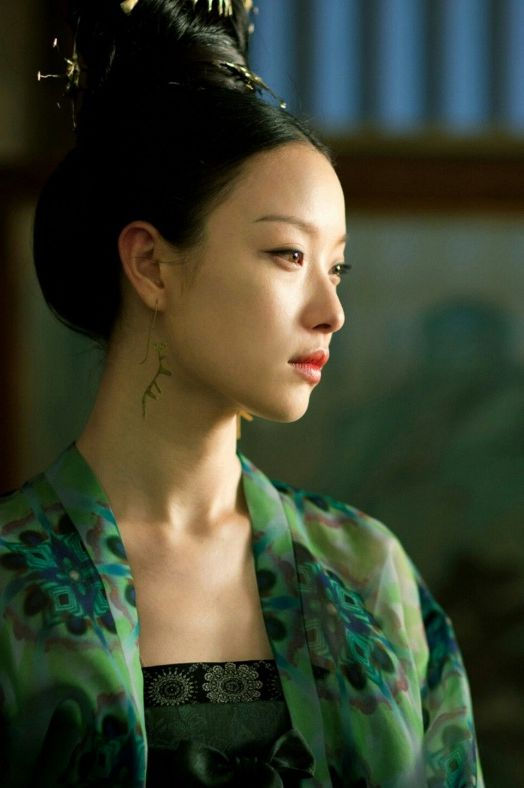
Latinx and Hispanic women traditionally value curvier bodies, strong femininity, and long hair. These characteristics are important parts of their cultural beauty standards.
At the same time, Eurocentric influences often prefer lighter skin and more European-looking features in media and society. As a result, many women experience hypersexualization and colorism.



Indigenous Women
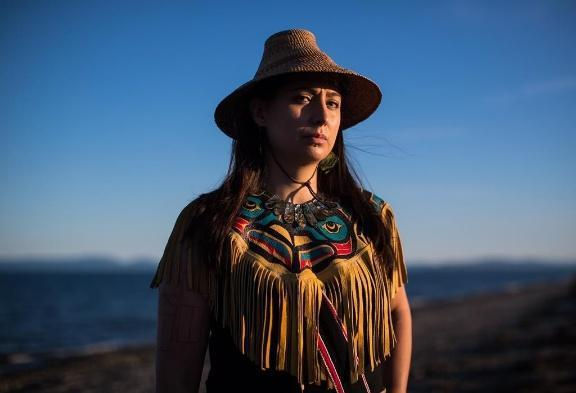
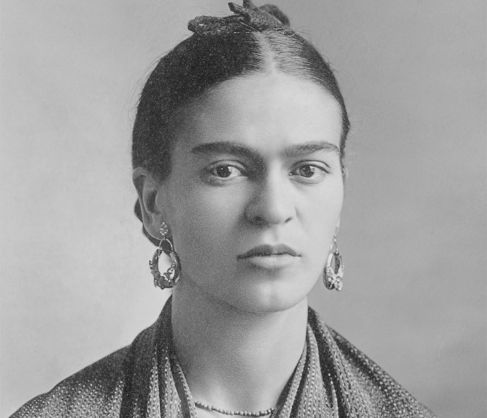
Indigenous women have rich, traditional beauty practices that focus on their cultural identity and natural features. These ideals are deeply connected to their heritage and way of life.
Unfortunately, colonial and Western beauty standards have largely replaced these traditional ideals. This causes major problems such as cultural erasure and underrepresentation in mainstream media and society.