
Resistance, Decolonization, and the Path Forward
This section investigates how people, social movements, and inclusive brands are challenging Eurocentric beauty standards and promoting more diverse and accepting definitions of beauty. It discusses movements like the Natural Hair Move, #BlackIsBeautiful, and body positivity campaigns, as well as efforts to decolonize beauty and improve representation in media and beauty industry. This section also highlights practical ways individuals and society can support diversity, self-acceptance, and inclusive representation.
Fighting Back Against Beauty Standards
Many social movements and campaigns have emerged in response to Eurocentric beauty standards and unrealistic expectations promoted by media and society. One important example is the Natural Hair Movement, which encourages Black women to embrace natural hairstyles such as afros, braids, locs, and curls instead of feeling pressured to straighten their hair to fit Western beauty ideals. The movement promotes self-acceptance, cultural pride, and resistance against hair discrimination.
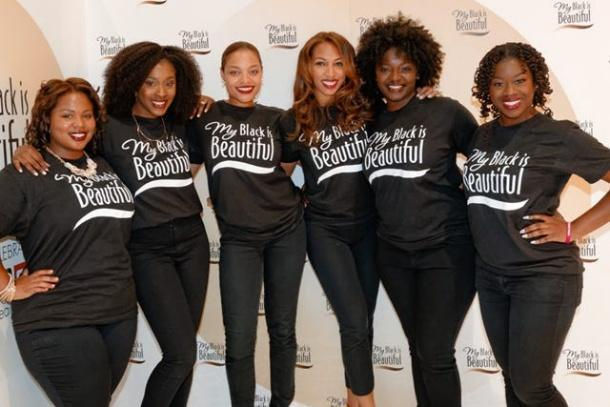
Other movements, such as #BlackIsBeautiful, celebrate Black identity, darker skin tones, and natural features that were historically excluded from mainstream beauty standards. In addition, body positivity campaigns challenge narrow definitions of attractiveness by encouraging acceptance of different body types, appearances, and identities. Together, these movements promote diversity, representation, and a more inclusive understanding of beauty.



Decolonizing Beauty
Decolonizing beauty means challenging the idea that European features and Western beauty ideals are superior to all others. For many years, lighter skin, straighter hair, slim body types, and certain facial features were often presented in media and advertising as the “ideal” form of beauty. As a result, many people felt pressure to change or hide their natural appearance in order to fit these standards.
Today, movements focused on decolonizing beauty encourage people to embrace diverse skin tones, hair textures, body types, and cultural identities. These efforts promote greater acceptance of natural features and challenge harmful practices such as colorism, skin whitening, and hair discrimination. Social movements, inclusive media representation, and diverse beauty campaigns are helping create a broader and more inclusive understanding of beauty that values individuality and cultural diversity.
“Beauty should not be defined by one culture or one appearance.”

.jpeg)
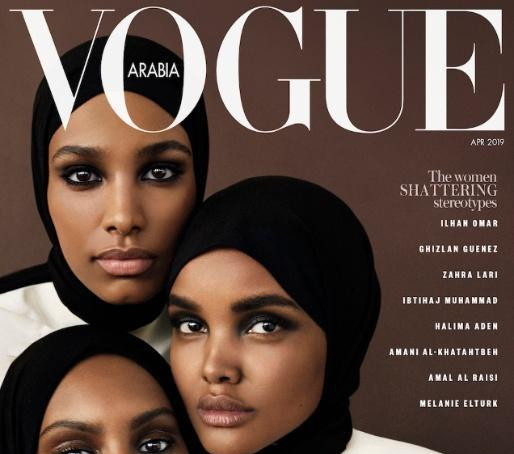
In recent years, the beauty industry and popular media have become more inclusive and representative of different identities and appearances. One important example is Fenty Beauty, which gained attention for creating a wide range of foundation shades designed for many different skin tones. By prioritizing inclusivity and representation, the brand challenged traditional beauty industry standards and encouraged other companies to expand their own product ranges and marketing strategies.
Positive changes have also appeared in media representation. More films, advertisements, magazines, and social media campaigns now include people from diverse racial and ethnic backgrounds, different body types, and varied appearances. Increased representation helps individuals feel seen, accepted, and valued, while also challenging narrow beauty ideals that have historically dominated mainstream media.
Diversity in Media and the Beauty Industry



The Path Forward
What Individuals Can Do
Individuals can help challenge harmful beauty standards by practicing media literacy and questioning unrealistic images promoted by social media, advertising, and popular culture. Supporting diverse creators, influencers, and inclusive brands can also encourage better representation and acceptance of different identities and appearances. In addition, promoting self-acceptance and appreciating natural features, different body types, and cultural diversity can help create a healthier and more inclusive understanding of beauty.
What Society Should Do
Society and the media also play an important role in changing beauty standards. Increasing diversity in films, advertisements, fashion, and social media can help represent people more equally and realistically. It is also important to challenge colorism, hair discrimination, and stereotypes connected to race and appearance. Inclusive beauty campaigns, education about harmful beauty standards, and better representation of different skin tones, body types, and cultures can help create a more accepting and diverse society.

Beauty standards are shaped by culture, history, media, and social influences rather than being universal or natural. Throughout history, Eurocentric beauty ideals have affected many racial and ethnic groups by promoting lighter skin, straighter hair, and European facial features as the dominant standard of attractiveness. However, movements such as the Natural Hair Movement, #BlackIsBeautiful, body positivity campaigns, and efforts to decolonize beauty are helping challenge these ideals and promote greater diversity and representation.
Today, more people, brands, and media platforms are recognizing the importance of inclusivity and self-acceptance. True beauty should not be limited to one appearance or one culture, but should celebrate individuality, diversity, and the value of all identities.