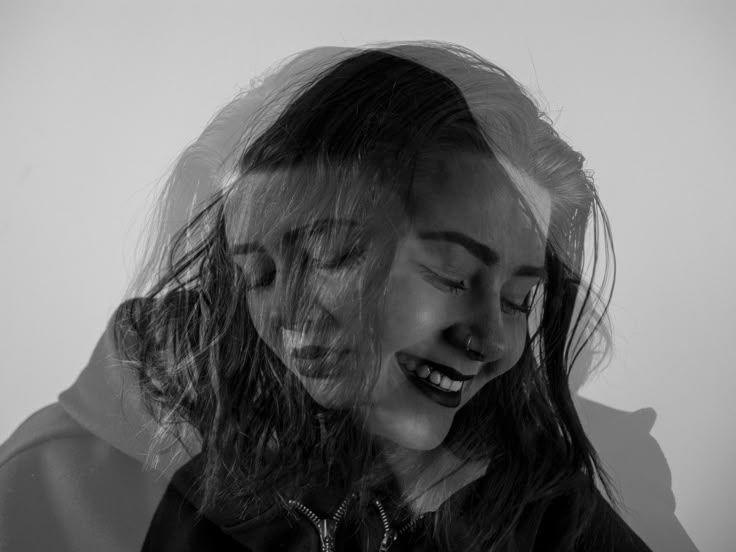
When striving for “ideal” beauty harms how you see yourself.
The pressure to meet Eurocentric beauty standards lighter skin, straighter hair, thinner bodies, and specific facial features goes far beyond appearance. It deeply affects women’s identity, self-perception, and mental health. When women feel their natural features fall short, it can create lasting feelings of shame, inadequacy, and disconnection from their own bodies and cultures.
Feeling “Not Enough”
Many women internalize the idea that their natural skin tone, hair texture, body shape, or facial features are problems that need fixing. This leads to body dissatisfaction and lower self-esteem, particularly around skin shade satisfaction and hair satisfaction.
These pressures often begin in adolescence and continue into adulthood, making women feel alienated from their own reflection.
Impacts on Identity, Self-Perception, and Mental Well-Being
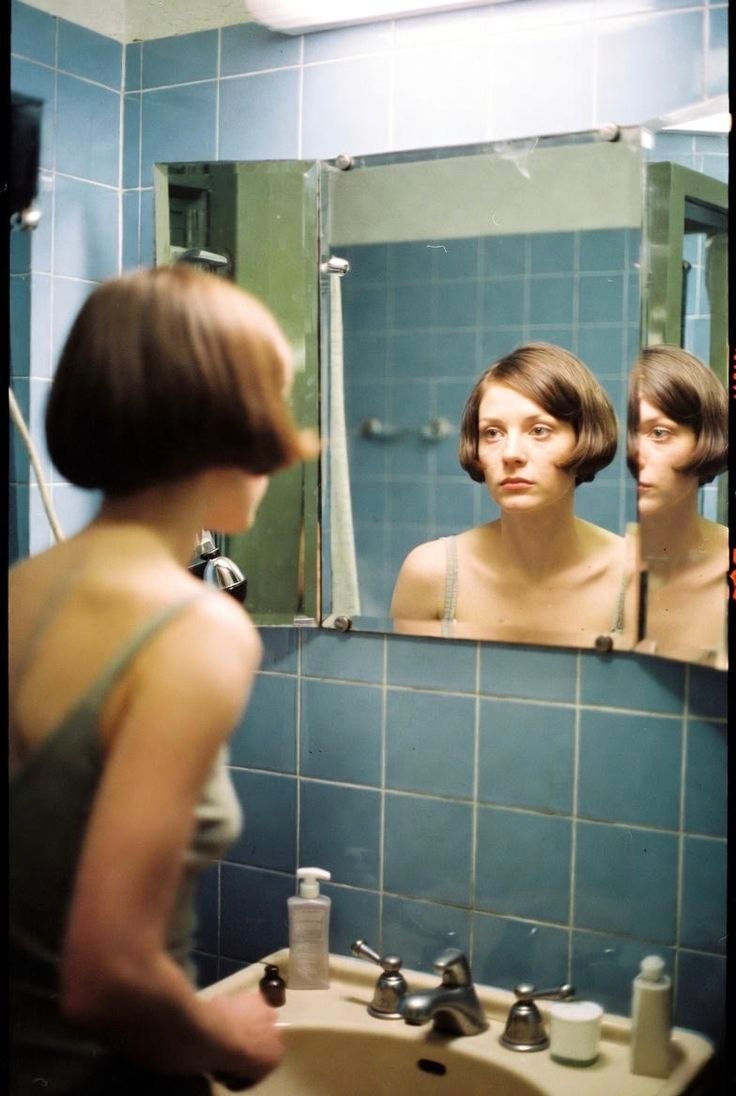
Research links the pursuit of Eurocentric beauty ideals to serious mental health challenges, including:
-Anxiety and depression
-Low self-esteem and body dissatisfaction
-Eating disorders and disordered eating behaviors
Studies show that body image concerns are a global mental health issue, with dissatisfaction linked to poorer psychological well-being across cultures.
Experiences of colorism (prejudice based on skin tone) further worsen these effects. Among Black and South Asian adolescents in the UK, both ingroup and outgroup colorism are associated with lower body esteem, lower skin shade satisfaction, and lower self-esteem.
Among Black American adults, perceived colorism significantly increases the odds of anxiety disorders, eating disorders, and other psychiatric conditions.
The Mental Health Impact

Real Voices

Women across backgrounds describe similar struggles:
-Many Black women report spending years altering their hair or skin because they
internalized messages that their natural features were unprofessional or unattractive.
-Adolescents experiencing colorism often report feeling worse about their overall
appearance and worth.
These experiences highlight how Eurocentric standards can make women feel they must
reject parts of their ethnic identity to be seen as beautiful.
A Powerful Protection: Strong Cultural and Ethnic Identity
There is meaningful hope in the research. A stronger connection to one’s racial or ethnic
identity can protect against these harms.
Studies on Black and Black/White Biracial women found that greater racial/ethnic
identification is linked to higher hair satisfaction and skin tone satisfaction. It also
supports greater internalization of culturally affirming body ideals (such as thick/curvy
ideals) rather than solely Eurocentric thin ideals.
Women who feel proud of their cultural heritage and reject narrow Western standards often
experience higher self-esteem and better body appreciation.
The damage caused by Eurocentric beauty standards is real, it affects identity, confidence, and mental well-being. Yet the research also shows that reclaiming cultural pride and broadening our definition of beauty can be deeply protective and healing.
Your natural features are not flaws. They are part of your identity, your story, and your beauty.